
High-Performance Lithium-Sulfur Battery
Product Series
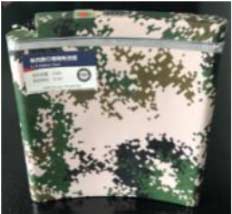
17.5Ah@17.2V
20Ah@48V
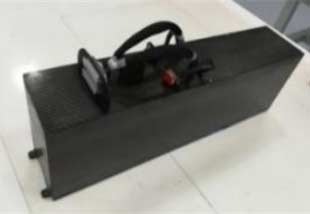
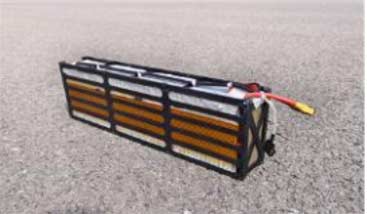
23Ah@113V
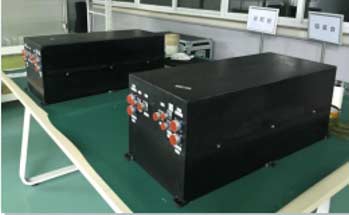
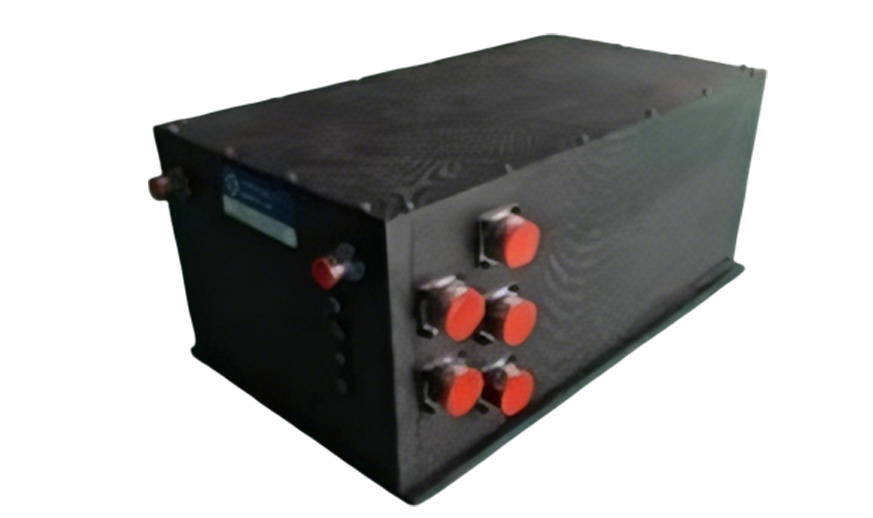
120Ah@113V
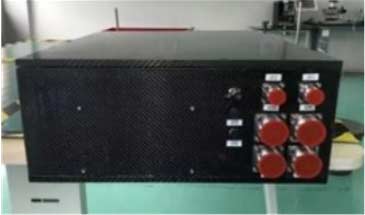
35Ah@270V
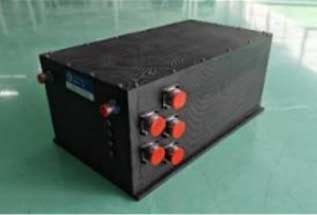
36Ah@300V
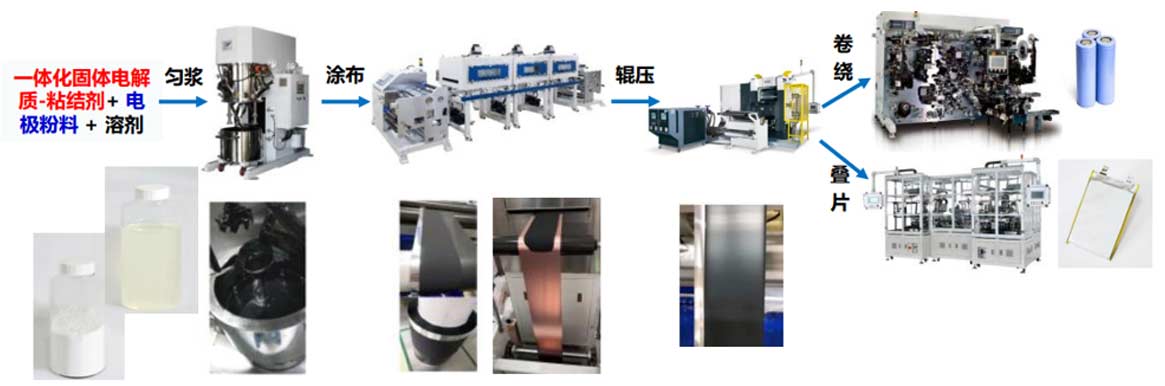
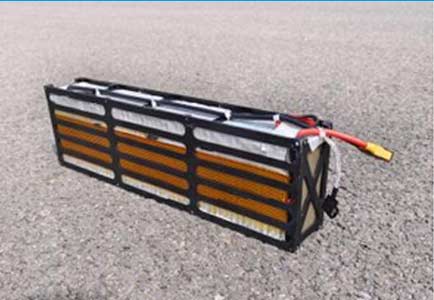
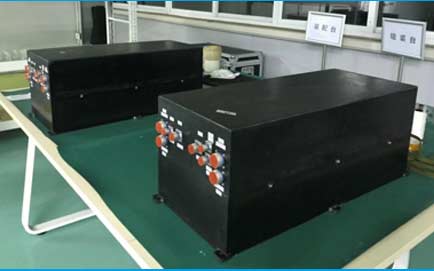
High specific energy and high specific power Li-S battery:
Power-type Li-S battery, 3634 W/kg (10 s), 416.16 Wh/kg (2C)
Energy-power balanced battery, 621.63 Wh/kg (0.1C)
Operating temperature range -60°C to +55°C:
At -60°C the specific energy reaches 227.05 Wh/kg
Highest specific energy and largest capacity domestically and internationally:300 V, 10 kWh near-space unmanned airship power system with 64-476 Wh/kg system specific energy; meets aviation battery safety test requirements.
Multiple types of Li-S battery systems:Near-space solar UAVs, tethered UAVs, reconnaissance-strike UAVs, and portable power supplies—all with good application results.
Complete cell types, multiple varieties:Energy-type, energy-power balanced, and power-type, 2-35 Ah; large capacity and high specific energy, 35 Ah at 600 Wh/kg—the largest domestically and internationally.
Cathode regulation suppresses shuttle effect:Improves battery stability and safety; anode protection enhances cycle life and environmental adaptability.
Application Cases
Portable Power Supply Completes High-Altitude Intelligent DB System Application Test
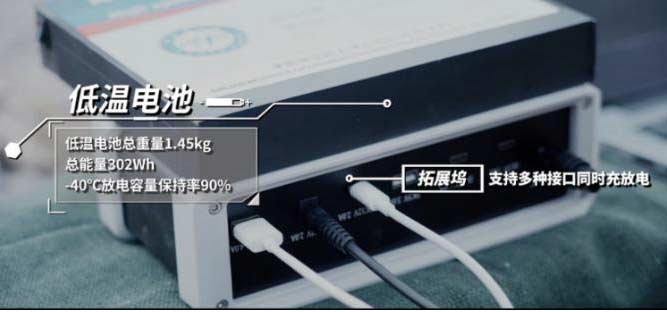
Date: October 17, 2023
Location: Taxkorgan, Xinjiang, 3,600 m above sea level
Ambient temperature: -10°C to 0°C
Atmospheric pressure: 85-90 kPa
Application equipment: a wireless intercom, a bionic bird UAV, and an intelligent launch system.
Location: Taxkorgan, Xinjiang, 3,600 m above sea level
Ambient temperature: -10°C to 0°C
Atmospheric pressure: 85-90 kPa
Application equipment: a wireless intercom, a bionic bird UAV, and an intelligent launch system.
Portable Power Supply:
A 300 Wh portable power supply using Li-S batteries weighs less than 900 g; a lithium-ion battery of equivalent energy weighs about 2.15 kg—a 60% weight reduction. Application verification was completed and received unanimous praise.
Driving Reconnaissance-Strike UAV Significantly Improves Aircraft Endurance
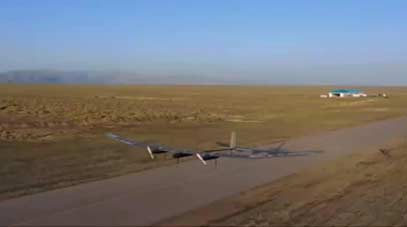
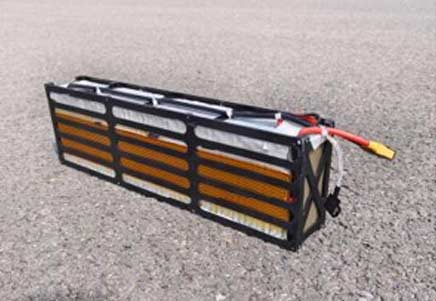
In December 2021, Li-S power batteries drove a 10 kg-class fixed-wing reconnaissance-strike UAV to achieve 95 minutes of loitering flight time—2 to 3 times that of a lithium-ion battery of equivalent weight. Li-S battery technology provides longer endurance for UAV operations in air-ground reconnaissance, water resources, coal, and petroleum fields.
Drives Tethered UAV to First Place in Qinghai-Tibet Plateau Bidding Comparison Test
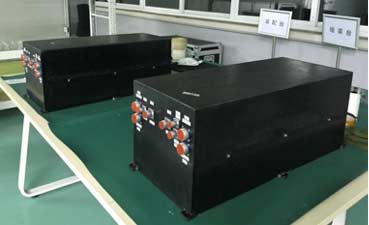
Near-Space Solar UAV Energy Storage Battery
Compared with NMC lithium-ion battery packs of the same weight, the Li-S battery pack increases the battery endurance capacity by 50%, laying a technical foundation for day-and-night flight of near-space solar UAVs.
A 5,000 m flight platform equipped with Li-S battery packs performed excellently in key technical indicators such as endurance, maximum discharge power, and average power, extending UAV operating time by about 2 hours 40 minutes.